Virtual, Augmented And Spatial Computing
Virtual, Augmented And Spatial Computing
Course Overview
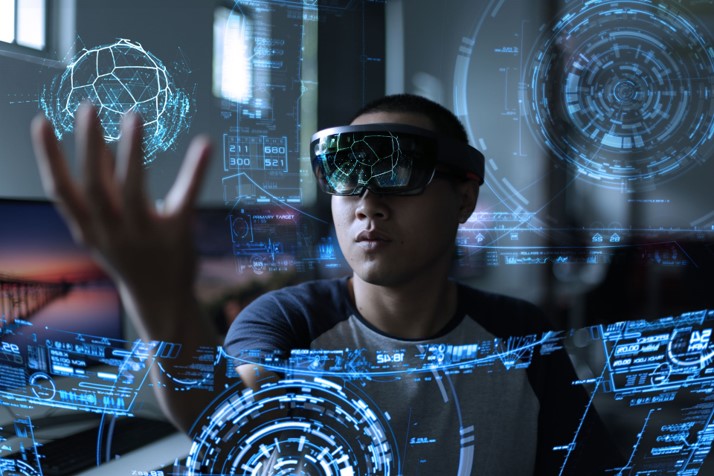
Virtual and augmented reality, also known as immersive reality, is any technology that replicates an environment, real or imagined, and simulates a user’s physical presence and environment to allow for user interaction. Spatial computing enables immersive interaction by understanding the physical world, knowing and communicating our relation to places in that world, and navigating through those places.
Who This Is For
This module is 100% continuously accessed. There is no terminal exam. Students must demonstrate understanding of the theoretical aspects of the subject through written assessment and learning journals / blogs that demonstrate understanding and reflecion in their research, design and development. Students’ practical design and development skills will be assessed by multi-faceted projects that require students to design, build, deploy and test a subject specific exemplar projects (e.g. VR/AR/XR Application or Game, motion tracking prototype, research & present on specified topic, etc )
Learning Outcomes
By the end of this course, students will be able to:
Demonstrate a critical understanding of the concepts and principles of 3D systems and augmented and virtual reality in the context of spatial computing
Explore, critique and deconstruct modern VR, AR, and spatial computing experiences.
Demonstrate theoretical understanding of, and practical competence in the use of advanced input and output devices & sensors in an immersive environment.
Apply appropriate principles of human-computer interaction to the construction and evaluation of virtual and augmented reality and spatial computing systems.
Course Format
Duration: 13 weeks
| Activity | Hours / Week | Total Hours |
|---|---|---|
| Lecture | 1 | 13 |
| Practical | 2 | 26 |
| Laboratory | 2 | 26 |
See the Semester Schedule for the full week-by-week plan.